Why Getting a Second Opinion Before Invisalign Matters
| Key takeawaysA second opinion confirms whether clear aligners are the right choice for your specific bite.It helps you compare treatment plans, timelines, and pricing before you commit.Red flags include pressure to sign fast, no diagnostic records, and vague answers about retainers.Wearing aligners 20 to 22 hours a day is central to a predictable result.Bring your scans, records, and a written estimate so a second review is accurate. |
Answer First: Should You Get a Second Opinion Before Invisalign?
Yes, for most patients, getting a second opinion before starting Invisalign is a smart, low-risk step. Clear aligner treatment is a real financial and time commitment, and a fresh review can help confirm that the treatment plan fits your bite, goals, and budget. KS Dental can help you evaluate your Invisalign options and make a confident decision before you commit.
The short answer for most patients
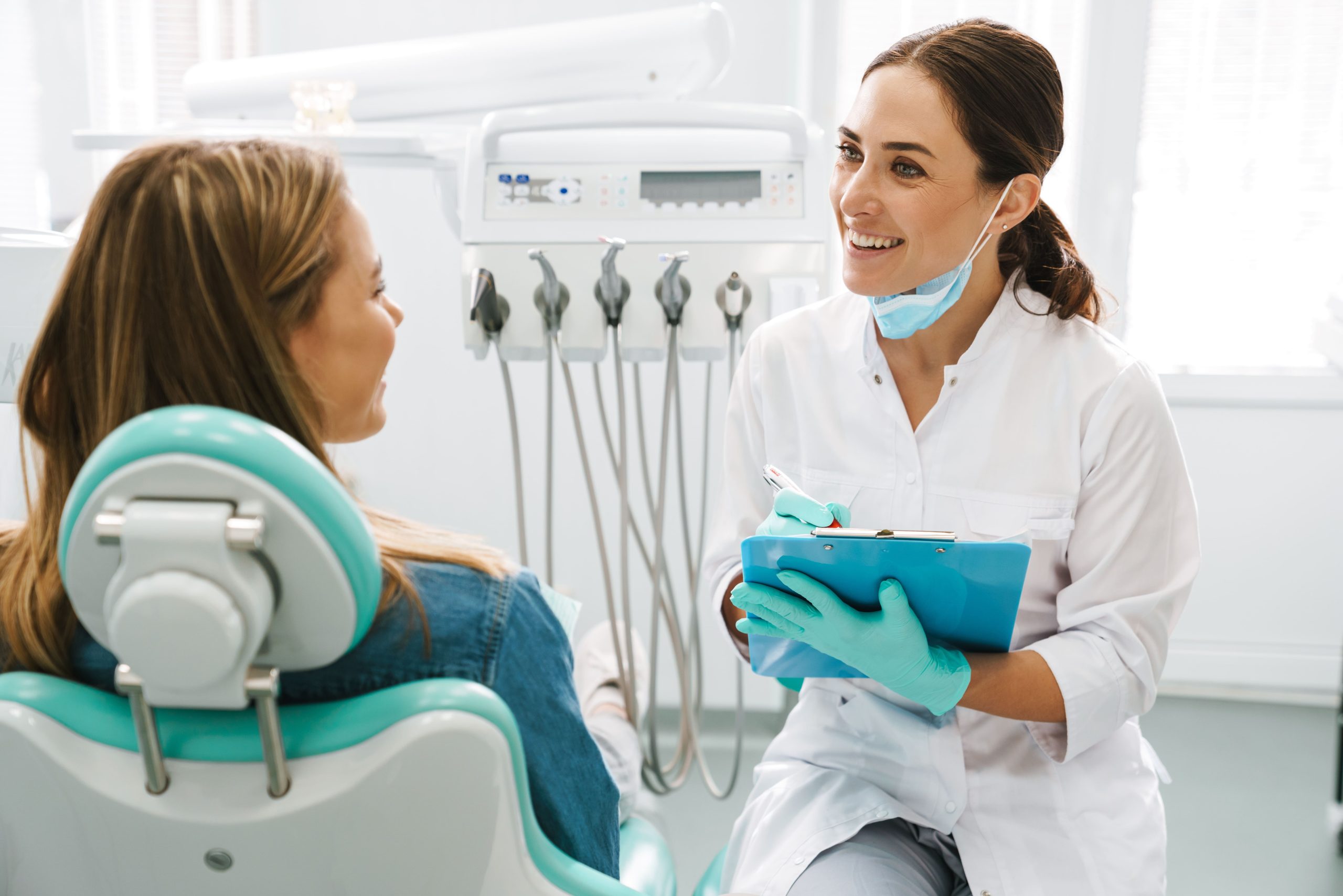
If the price feels unclear, the timeline seems long, or you simply want peace of mind, a second look is worth the appointment. A good review either confirms your original plan, which builds confidence, or it surfaces details worth discussing. Either outcome protects you. You are not being difficult by asking questions; you are being a careful patient making an informed choice.
When a second opinion matters most
A second opinion matters most when your case is complex, or the stakes are higher than average. Consider one if any of these apply to you:
- You have a deep bite, open bite, crossbite, or significant crowding.
- You were told you may need tooth removal.
- The quoted price varies widely between two offices.
- You were quoted a treatment length that surprised you.
- You feel rushed to commit on the same day.
What a Second Opinion Actually Evaluates
A second opinion evaluates three things: whether clear aligners suit your bite, whether the proposed plan and timeline are realistic, and whether the diagnostic records support the recommendation. It is a full re-read of your case, not just a price check.
Confirming Invisalign is the right treatment for your bite
Not every smile is an ideal aligner candidate, and a second dentist can tell you honestly where you stand. Mild to moderate crowding, spacing, and many bite issues respond well to clear aligners. Very complex movements sometimes need a different approach or added support. A frank conversation about candidacy is the single most valuable part of a second review.
Reviewing the treatment plan and projected timeline
A second review checks that the number of aligners and the projected months make sense for your goals. It also looks at whether small tooth-colored attachments are planned and why. Understanding the reasoning behind each step helps you feel like a partner in the process rather than a passenger.
Cross-checking diagnostic records and scans
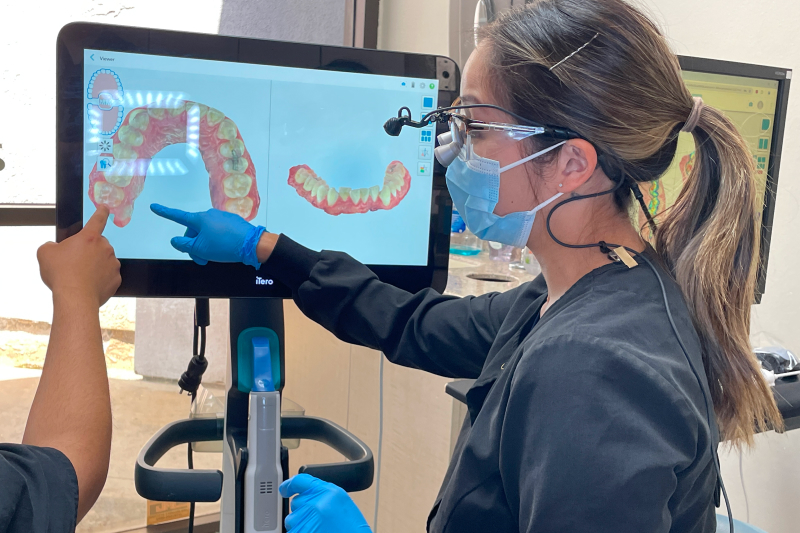
Good treatment starts with good records. A second opinion cross-checks your digital scans, photos, and any X-rays against the recommended plan. If an office wants to start treatment without any records or a simulation of your projected movement, that gap alone is a strong reason to seek another look.
Common Reasons Patients Seek a Second Invisalign Opinion
Most patients seek a second opinion for three reasons: pricing uncertainty, worry about treatment length or difficulty, and surprise at being told they need extractions or attachments. All three are reasonable, and all three deserve a clear answer.
Uncertainty about pricing and value
Price is the most common trigger, and it is a fair one. Two offices can quote different totals for what looks like the same case because they include different things, such as retainers, refinements, and follow-up visits. A second opinion helps you compare the full value, not just the sticker number.
Concerns about treatment length or complexity
If a plan feels longer or more involved than you expected, a second dentist can explain what drives that. Sometimes a longer plan reflects a thorough approach to a tricky bite. Other times a shorter, simpler path exists. You deserve to understand which situation is yours.
Being told you need extractions or attachments
Hearing that you may need teeth removed can be unsettling, and it is one of the best reasons to get another view. Extractions are sometimes genuinely necessary to create space and a stable bite. In other cases, a different plan avoids them. A second opinion gives you the confidence that removal, if recommended, is truly needed.
| A note from Dr. Kai Su, DMD at KS Dental“I welcome patients who bring me a plan from another office. My job is to give you an honest read on your bite and your options. If the first plan is sound, I will tell you so. If I would do something differently, I will explain exactly why.” |
How Invisalign Success Depends on Planning and Patient Habits
Invisalign success rests on two pillars: careful planning by your dentist and consistent daily wear by you. Even a flawless plan struggles without steady aligner wear, and even perfect wear cannot fix a poorly designed plan. Both must work together.
The role of wear time and the 20 to 22 hour guideline
Wearing your aligners 20 to 22 hours a day is the standard guideline, and it is the biggest factor within your control. In practice, that means keeping them in all the time, except during your oral hygiene routine. Each set of aligners is designed to move teeth on a schedule, and consistent wear keeps that schedule on track.
Why case selection affects predictability
The right case with the right plan is far more predictable, which is exactly what a second opinion helps confirm. When your bite is well matched to clear aligners, and the plan accounts for each movement, results tend to follow the projection more closely. Thoughtful case selection is quiet, upfront work that pays off later.
What research says about patient experience
Patient experience with clear aligners depends on several personal factors, not just the hardware. One study exploring how to predict patient experience during Invisalign treatment highlights how individual differences shape comfort and satisfaction. That is one more reason a plan built around you, rather than a template, tends to feel better.
Understanding Invisalign Cost and Why Estimates Differ
Invisalign cost varies because every case and every office’s included services differ. A simple case with fewer aligners naturally costs less than a complex one, and offices bundle follow-up care differently. Understanding what is included is the key to comparing fairly.
What drives the price range
Several factors move the price up or down:
| Factor | Effect on price |
|---|---|
| Case complexity and number of aligners | More movement usually costs more |
| Retainers after treatment | May or may not be included |
| Refinements and extra visits | Included in some quotes, added in others |
| Diagnostic records and scans | Sometimes bundled, sometimes separate |
Questions to ask about payment and refinements
Before you commit, ask a few direct questions:
- Are retainers included in the total?
- What happens if my teeth need refinement at the end?
- Are follow-up visits part of the quoted price?
- What payment plans do you offer?
Red Flags That Signal You Should Get Another Look
The clearest red flags are pressure to commit on the spot, no diagnostic records or projected simulation, and vague answers about retainers and follow-up. Any one of these is a reason to pause and get a second opinion.
| Reassuring signsClear diagnostic records and a movement simulationTime to think, with no same-day pressureA written, itemized priceA clear plan for retainers and follow-up | Warning signsPressure to sign immediatelyNo scans, photos, or records takenVague or dismissive answers about retentionAn estimate with no written breakdown |
Pressure to commit immediately
A trustworthy office gives you room to decide. If you feel pushed to sign the same day to lock in a price, treat that as a signal to slow down and seek another view.
No diagnostic records or simulation
You should never begin treatment blind. If no scans, photos, or projected outcome are shared, the plan lacks a foundation, and a second opinion becomes essential.
Vague answers about retention and follow-up
Keeping your new smile in place matters as much as creating it. If questions about retainers and long-term follow-up get brushed aside, that gap deserves attention.
How to Prepare for a Second Opinion Appointment
To prepare, gather your records, write down your questions, and know how you will handle a disagreement between the two opinions. A little preparation makes the second visit far more useful.
What to do if the two opinions disagree
1 | Gather your documents and scansBring any digital scans, photos, X-rays, the written treatment plan, and the itemized estimate from the first office. These let the second dentist give an accurate read quickly. |
2 | Prepare your questionsWrite down what worries you, whether it is cost, timeline, extractions, or attachments. Ask whether clear aligners are truly the best fit for your bite. |
3 | Decide how you will weigh two opinionsIf the opinions differ, ask each dentist to explain the reasoning behind their plan. Choose the approach you understand best and the office where you feel most comfortable. |
Disagreement is not a failure; it is information. Focus on the why behind each recommendation. A dentist who explains trade-offs clearly, in plain language, is giving you the tools to choose well. Trust and communication matter as much as the plan itself.
Getting a Trusted Second Opinion in Westminster, CA
Our team in Westminster, CA, at KS Dental offers straightforward second opinions on clear aligner plans, with an honest review of your bite, your records, and your options. Dr. Kai Su, DMD, is a Diamond Invisalign provider who values conservative, ethical care, so you get a candid assessment rather than a hard sell.
What our General Dentistry team reviews
We review your existing scans and records, confirm whether clear aligners suit your bite, and walk through the plan, timeline, and a clear written estimate. If your first plan is sound, we will say so. If we would do something differently, we will explain why in language that makes sense.
Ready to take the next step? Schedule a consultation with KS Dental in Westminster. Call (714) 847-2232
Meet Dr. Kai Su, a Diamond Invisalign provider
Dr. Kai Su leads KS Dental in Westminster, California, with a philosophy built on two words: ethical and conservative. Rather than rushing to the most aggressive treatment, he takes the time to understand what each patient truly needs, then recommends the most measured path to get them there – a practical, trust-first approach that has quietly earned him a loyal following in the Westminster community.
His academic path began at the University of Wisconsin-Madison, where he earned a Bachelor of Science in Biochemistry before pursuing his dental degree at Boston University School of Dental Medicine. He then sharpened his clinical skills through advanced residency training at New York University and Lutheran Medical Center in New York City, gaining broad experience in complex, real-world cases.
He has spent considerable time treating patients at community health centers and homeless shelters, driven by the belief that quality dental care shouldn’t be limited by someone’s financial circumstances.
Continuing education remains a constant in Dr. Su’s career, ensuring his patients benefit from current techniques and technology rather than outdated methods. This dedication, paired with genuine warmth toward every patient who sits in his chair, defines the KS Dental experience.
Outside the office, Dr. Su unwinds with a good book, a pickup basketball game, and time spent with his family – the same balance and care he brings to his work.
Frequently asked questions
| Q: What is the 30-minute rule for Invisalign?The 30-minute idea refers to the limited time your aligners can be out each day and still stay on track. Because the guideline is to wear them 20 to 22 hours a day, only about 2 hours of out time is available, so keep breaks short and put your aligners back in promptly after your oral hygiene routine. |
| Q: Why don’t dentists recommend Invisalign?Some dentists hold off on recommending clear aligners when a bite is very complex or when they judge a different approach would give a more predictable result. It is not that aligners are wrong; it is that case selection matters. A second opinion can clarify whether your particular bite is a good match for clear aligners. |
| Q: What is the failure rate of Invisalign?There is no single fixed failure rate, because outcomes depend heavily on case selection, plan quality, and daily wear. The most common reason a case falls short is inconsistent wear time. Choosing a suitable case and wearing aligners 20 to 22 hours a day greatly improves the odds of a predictable result. |
Book your appointment here and take Google Maps directions to reach us!
Remember: Wear your aligners 20 to 22 hours a day, all the time except during your oral hygiene routine, and always ask for a written plan and estimate before you commit.
Disclaimer: This article is for general information only and is not a substitute for a personal exam. Please consult a qualified dentist about your individual situation.