Invisalign vs Braces: Choosing the Smile That Fits Your Life
Dr. Kai Su, a Gold+ Invisalign provider to Platinum+ Invisalign provider, and a respected dentist in Westminster, CA, is known for his ethical approach and commitment to ongoing education. Dr. Kai Su provides comprehensive dental care with degrees from the University of Wisconsin-Madison and Boston University School of Dental Medicine and advanced training in New York City. He volunteers in underserved communities and is certified in Invisalign. When not practicing, he enjoys basketball and family time.
Introduction
A smile is more than alignment. It is how you greet the world, how you speak in meetings, how you laugh with friends, and how confidently you show up in photos. When teeth feel out of place, it can subtly affect posture, speech, and self-assurance.
At KS Dental, many patients arrive with one big question: Should I choose Invisalign or braces?
This decision is not just clinical. It is personal. It touches your routine, your comfort, your social life, and your long-term dental health. Through a thoughtful Invisalign and braces comparison, Dr. Kai Su helps patients understand what truly fits their daily rhythm and long-term goals.
This guide is not a checklist. It is a conversation – one that empowers you to make the smile decision that supports your life, not interrupts it.
Two Paths to the Same Destination
Both Invisalign and braces aim to move teeth into healthier alignment. Both rely on consistent pressure over time. Both can correct crowding, spacing, bite concerns, and uneven positioning.
Yet the experience of wearing them feels very different.
Understanding the differences between aligners and braces begins with understanding how each one integrates into your lifestyle.
The Invisible Approach: Living with Invisalign
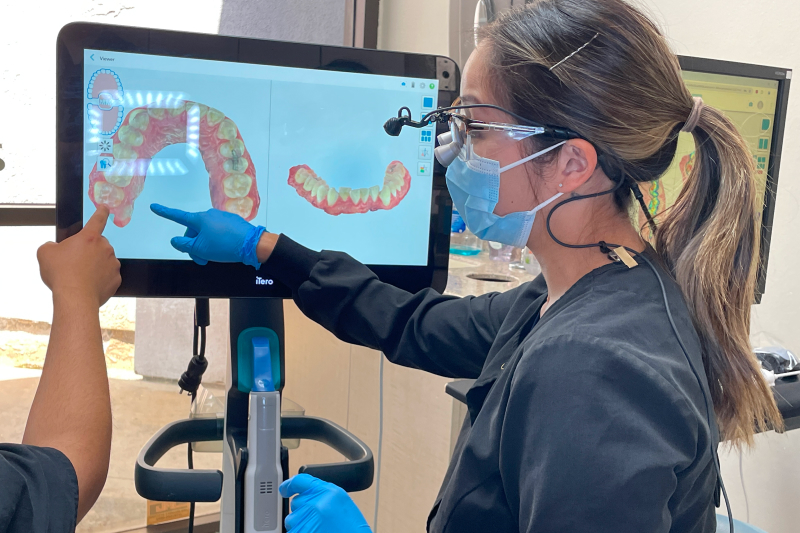
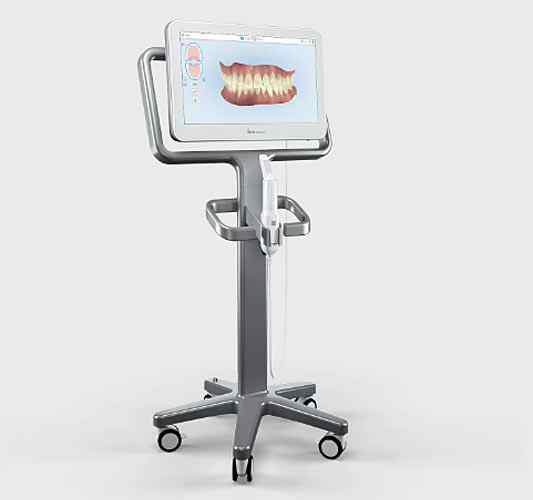
Invisalign uses clear aligners custom-designed through advanced digital planning. At KS Dental, Dr. Kai Su maps your smile journey using 3D imaging that previews your future alignment.
Instead of brackets and wires, Invisalign relies on a sequence of clear trays designed to be worn consistently throughout the day and night, except for oral hygiene routines. Each set gradually guides teeth into their new positions.
What many patients appreciate most is subtlety. The aligners are nearly invisible in social and professional settings. For adults in leadership roles, teens navigating school, or individuals frequently in front of cameras, this discretion matters.
Comfort is another major factor. Without metal components, patients often report smoother transitions between trays and fewer sharp edges against cheeks or lips.
But Invisalign also requires commitment. Consistency is essential. Wearing aligners as directed is what makes treatment efficient and predictable.
During a smile choice discussion with Dr. Kai Su, patients often describe wanting flexibility combined with precision. Invisalign frequently fulfills that balance when used responsibly.
The Structured Approach: The Reliability of Braces
Traditional braces use brackets and wires attached directly to the teeth. Over time, wires are adjusted to move teeth progressively into alignment.
Braces are always working because they are fixed in place. There is no reliance on patient wear discipline. This can make them particularly effective for complex alignment concerns or younger patients who may struggle with consistent tray wear.
Many people appreciate the structured nature of braces. Adjustments are predictable. Movement is continuous. For certain bite corrections and advanced alignment challenges, braces remain highly dependable.
While visible, modern braces are smaller and more refined than they were decades ago. They represent a time-tested approach with reliable results.
In many cases, alignment option planning by Dr. Kai Su involves evaluating the complexity of movement required. Some cases respond beautifully to Invisalign, while others benefit from the mechanics of braces.
Lifestyle Matters More Than You Think
Choosing between Invisalign and braces is not just about teeth. It is about daily life.
Consider your schedule.
Do you travel often?
Do you speak publicly?
Are you involved in athletics?
Do you prefer structured systems or flexible routines?
An effective Invisalign and braces comparison goes beyond mechanics and considers habits, goals, and personality.
Some patients prefer the independence Invisalign provides. Others feel reassured knowing braces are continuously guiding movement without needing reminders.
Dr. Kai Su often emphasizes that the right choice is the one that aligns with both your dental needs and your lifestyle priorities.
Comfort and Adaptation
Every alignment method requires adjustment.
With Invisalign, most patients describe a feeling of gentle pressure when transitioning to a new set of trays. This pressure signals that teeth are moving as planned.
With braces, adjustments may create temporary tightness as wires are changed.
Neither option is pain-free, but both are manageable. The experience varies by individual sensitivity and the extent of correction required.
Understanding the differences between aligners and braces includes acknowledging that adaptation is part of the journey. The body responds gradually, and over time, wearing either system becomes part of the daily routine.
Oral Hygiene and Long-Term Health
Alignment is not purely cosmetic. Properly aligned teeth are easier to clean, reducing plaque buildup and supporting gum health.
Invisalign allows patients to maintain brushing and flossing routines effectively because aligners are removed for oral hygiene. This can simplify daily care and lower the risk of gum inflammation during treatment.
Braces require more careful cleaning techniques around brackets and wires. Patients must adopt specialized brushing tools and remain diligent.
During Invisalign and braces guidance from Dr. Kai Su, oral health habits are reviewed thoroughly. Long-term success depends not only on alignment but also on maintaining healthy gums and enamel throughout treatment.
Confidence During Treatment
Imagine attending a job interview, celebrating a milestone birthday, or speaking at a wedding.
Some patients prioritize discretion during these moments. Invisalign’s nearly invisible appearance provides confidence in professional and social environments.
Others embrace braces openly, viewing them as a temporary investment in long-term improvement.
There is no universally “better” option – only what feels right for you.
A meaningful smile choice discussion with Dr. Kai Su explores not only clinical suitability but also emotional comfort.
Treatment Time and Predictability
Alignment timelines vary based on complexity. Many Invisalign treatments range between 6 and 18 months. Braces may fall within a similar timeframe.
Digital planning software allows patients choosing Invisalign to visualize projected outcomes before treatment even begins. This preview adds clarity and motivation.
Braces rely on traditional progress monitoring through in-office adjustments and visual tracking.
In either case, regular check-ins at KS Dental ensure progress remains steady and responsive to individual needs.
Discipline vs Structure
This distinction often defines the final decision.
Invisalign rewards discipline. The more consistently aligners are worn, the smoother the process becomes.
Braces offer structure. They continue guiding movement regardless of daily routine.
Some individuals thrive in self-managed systems. Others prefer fixed systems that require less daily decision-making.
Through careful alignment of option planning by Dr. Kai Su, patients identify which environment supports their success.
Modern Technology and Evolving Care
Alignment technology continues to evolve. Digital scanning tools eliminate messy impressions. Predictive modeling enhances treatment accuracy. Materials are refined for comfort and durability.
Invisalign incorporates ongoing material advancements designed for improved fit and performance. Braces benefit from smaller brackets and more efficient wires than ever before.
At KS Dental, embracing innovation means patients receive thoughtful recommendations grounded in current technology and practical experience.
Cost Considerations and Value
While cost varies by case complexity, both Invisalign and braces represent an investment in long-term oral health and self-confidence.
Insurance plans may offer partial coverage. Flexible payment plans often make treatment accessible.
When evaluating value, consider not only cost but experience. How will this treatment fit into your daily life? How will it affect your comfort, hygiene, and confidence?
These are questions addressed during Invisalign and braces guidance from Dr. Kai Su, ensuring financial decisions align with personal priorities.
Retention: Protecting Your Results
After alignment is complete, retention maintains your new smile.
Teeth naturally attempt to shift back. Retainers preserve the progress achieved through months of dedication.
Whether you choose Invisalign or braces, post-treatment care is essential. At KS Dental, patients receive customized retention planning designed to protect long-term results.
Key Takeaways
- A thoughtful Invisalign and braces comparison should consider lifestyle, discipline, comfort, and alignment complexity.
- Understanding the differences between aligners and braces helps patients choose confidently.
- A personalized smile choice discussion with Dr. Kai Su ensures treatment aligns with daily life and long-term goals.
- Careful alignment option planning by Dr. Kai Su evaluates complexity, habits, and expectations.
- Comprehensive Invisalign and braces guidance from Dr. Kai Su supports informed decisions and predictable outcomes.
FAQs
1. How do I know whether Invisalign or braces are better for me?
The right choice depends on alignment complexity, daily routine, and personal comfort. A professional evaluation at KS Dental will determine which system aligns best with your goals.
2. Is Invisalign as effective as braces?
For many mild to moderate alignment concerns, Invisalign can be highly effective. More complex movements may sometimes benefit from braces. Individual evaluation is essential.
3. Does Invisalign require discipline?
Yes. Aligners must be worn consistently throughout the day and night, except during oral hygiene routines, to achieve predictable results.
4. Are braces faster than Invisalign?
Treatment duration depends on the complexity of correction rather than the system itself. Both options may fall within similar timelines.
5. What happens after treatment is complete?
Retainers are worn to maintain alignment. Without retention, teeth may gradually shift over time.
Conclusion
Alignment is not about perfection. It is about balance – between structure and flexibility, visibility and discretion, discipline and dependability.
The decision between Invisalign and braces should feel empowering, not overwhelming. When guided thoughtfully, the process becomes clear.
At KS Dental, every patient receives personalized attention, thoughtful evaluation, and transparent communication. Whether you lean toward clear aligners or traditional braces, your journey is supported with care and precision.
Your smile should reflect who you are – and how you live.
For directions, use this helpful Google Map or get step-by-step navigation through Get Directions
Remember: The best alignment choice is the one that supports your lifestyle, encourages consistency, and protects long-term oral health under professional guidance.
Disclaimer: This article is for informational purposes only and does not replace personalized dental advice. Always consult a qualified dental professional to determine the most appropriate treatment for your individual needs.